


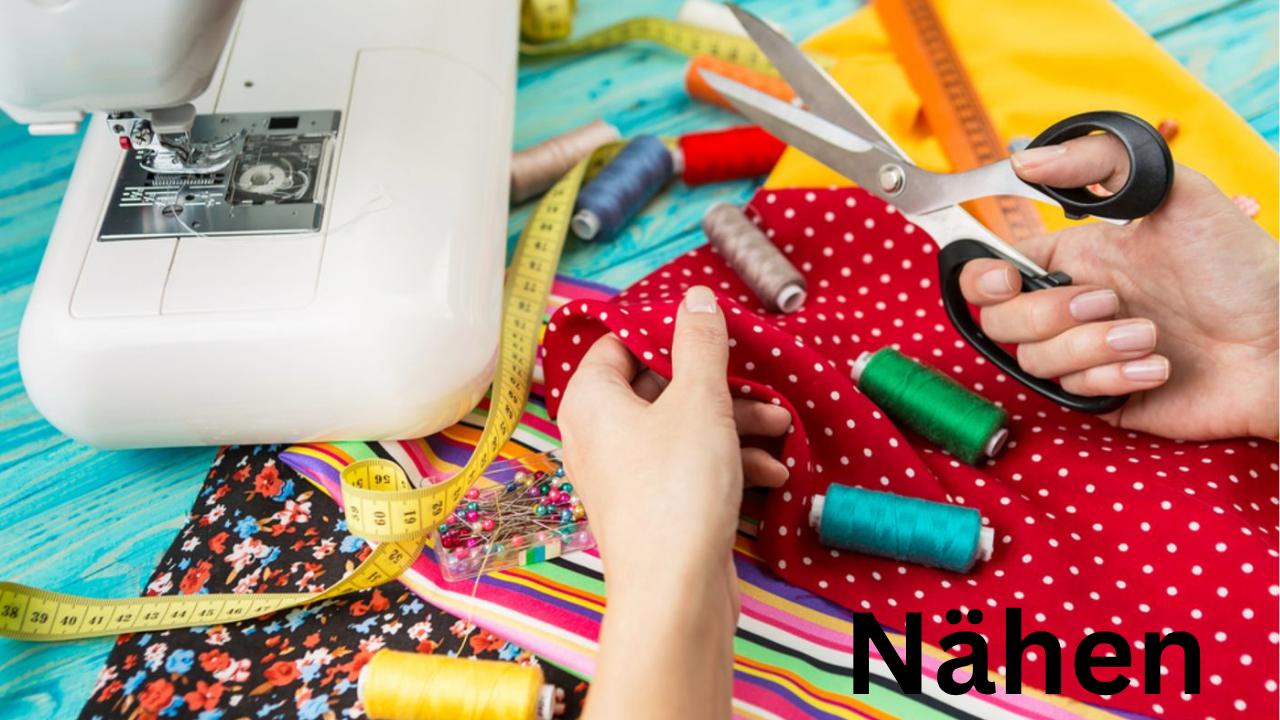
Sewing is one of the most practical and rewarding creative skills a person can learn. From repairing damaged clothing to designing custom garments, the craft combines creativity, precision, and functionality. Across generations, people have embraced textile craftsmanship as a way to express individuality while creating useful items for everyday life.
The German term nähen refers to the process of sewing fabrics together using a needle and thread, either by hand or with a sewing machine. While modern technology has transformed many aspects of garment production, traditional sewing remains a valuable skill that offers both personal and financial benefits.
Whether you are interested in fashion design, home décor, or simple clothing repairs, learning nähen can open the door to countless creative opportunities. This guide explores the history, techniques, tools, benefits, and practical applications of sewing while helping beginners understand how to start successfully.
Understanding the Meaning and Importance of Nähen
Sewing has existed for thousands of years and remains a cornerstone of textile production. Before industrial manufacturing, every piece of clothing was carefully stitched by hand. Although modern factories now produce garments on a large scale, handmade sewing continues to be appreciated for its quality and uniqueness.
The practice of nähen is more than simply joining pieces of fabric together. It involves planning, measuring, cutting, assembling, and finishing materials to create a functional and visually appealing result. This combination of technical skill and artistic creativity makes sewing both challenging and fulfilling.
Many people choose sewing as a hobby because it allows them to customize clothing and accessories according to personal preferences. Others use it professionally in fashion, tailoring, upholstery, costume design, and textile arts.
The History of Sewing Through the Ages
Early Origins of Textile Craftsmanship
Archaeological evidence suggests that humans began stitching animal hides together tens of thousands of years ago. Early needles were crafted from bone, ivory, and other natural materials. These simple tools enabled people to create protective clothing suited to various climates.
As civilizations advanced, sewing techniques became more sophisticated. Ancient cultures developed decorative stitching methods and embroidery styles that reflected their traditions and social status.
The Industrial Revolution and Modern Sewing
The invention of the sewing machine dramatically changed the textile industry. What once required hours of manual work could now be completed in a fraction of the time. This innovation increased productivity and made clothing more affordable for larger populations.
Today, computerized sewing machines provide advanced features, allowing users to create intricate designs with remarkable precision. Despite these technological improvements, many traditional methods remain highly valued.
Essential Tools Every Beginner Needs
Starting a sewing journey does not require a large investment. A few basic tools can help beginners complete a wide variety of projects.
A quality sewing machine is often the centerpiece of a home sewing setup. However, hand-sewing supplies remain equally important for detailed work and finishing touches.
Sharp fabric scissors are essential because they ensure clean cuts and prevent fraying. Measuring tapes, pins, needles, marking tools, and seam rippers also contribute to accurate and professional results.
Choosing durable thread and suitable fabric can significantly influence the quality of a finished project. Investing in reliable materials often saves time and frustration later.
Basic Sewing Techniques to Master
Hand Stitching Fundamentals
Hand sewing remains an important skill even for individuals who primarily use machines. Basic stitches such as running stitch, backstitch, whip stitch, and slip stitch can be used for repairs, hemming, and decorative work.
Practicing these foundational stitches helps improve precision and control. Over time, consistent practice leads to stronger and more attractive seams.
Machine Sewing Basics
Operating a sewing machine requires understanding several key functions. Threading the machine correctly, adjusting tension, and selecting appropriate stitch settings are essential for successful sewing.
Beginners should start with simple projects and straight seams before moving on to more complex designs. Building confidence gradually helps develop strong technical skills.
Choosing the Right Fabric
Fabric selection plays a major role in project success. Different materials behave differently during cutting, stitching, and finishing.
Cotton is often recommended for beginners because it is easy to handle and widely available. Linen offers durability and breathability, while polyester blends provide wrinkle resistance and affordability.
More advanced sewists may experiment with silk, velvet, denim, and stretch fabrics. Each material presents unique challenges and opportunities that contribute to skill development.
Understanding fabric weight, texture, and weave helps ensure that the chosen material aligns with the intended project.
Benefits of Learning Nähen
Learning nähen offers numerous practical and personal advantages. One of the most obvious benefits is the ability to repair and alter clothing rather than replacing it. This can lead to significant long-term savings.
Sewing also promotes sustainability. Instead of discarding worn garments, individuals can extend their lifespan through thoughtful repairs and modifications. This approach reduces textile waste and supports environmentally responsible consumption.
Creative expression represents another major benefit. Sewing allows individuals to transform ideas into tangible products, whether designing clothing, crafting accessories, or decorating living spaces.
Many people also find sewing relaxing and therapeutic. The focused, repetitive nature of stitching can encourage mindfulness and reduce stress.
Popular Sewing Projects for Beginners
Clothing Alterations
Simple alterations provide excellent practice opportunities. Adjusting hems, shortening sleeves, and repairing seams help beginners gain confidence while producing useful results.
Home Décor Creations
Home décor projects are often straightforward and highly rewarding. Cushion covers, table runners, curtains, and fabric storage baskets allow beginners to develop essential skills while enhancing their living spaces.
Accessories and Gifts
Handmade accessories such as tote bags, pouches, and scarves make practical projects for skill development. They also serve as thoughtful gifts that showcase personal creativity.
These smaller projects typically require fewer materials and less time than full garment construction, making them ideal for newcomers.
Common Mistakes and How to Avoid Them
Many beginners encounter similar challenges when learning to sew. One common mistake is rushing through measurements. Accurate measuring and marking are critical for achieving proper fit and symmetry.
Using dull scissors can also create problems by producing uneven cuts. Maintaining sharp tools improves efficiency and accuracy.
Another frequent issue involves selecting the wrong needle or thread for a particular fabric. Matching materials correctly helps prevent skipped stitches, puckering, and thread breakage.
Patience is essential during the learning process. Mistakes are valuable learning experiences that contribute to long-term improvement.
Developing Advanced Sewing Skills
As experience grows, sewists often explore more sophisticated techniques. Pattern drafting, garment fitting, quilting, embroidery, and decorative stitching offer exciting opportunities for creativity and professional growth.
Advanced projects require careful planning and attention to detail. Understanding garment construction principles can significantly improve the quality of finished products.
Many experienced practitioners continue learning throughout their lives, discovering new methods and refining existing skills. This ongoing development is one of the most appealing aspects of the craft.
Digital Resources and Learning Opportunities
Modern technology has made sewing education more accessible than ever. Online tutorials, video courses, digital patterns, and virtual communities provide valuable guidance for learners at every skill level.
For additional learning resources, readers can explore reputable educational websites such as the Sewing.org website and the Craft Industry Alliance platform. These sources offer expert advice, project inspiration, and industry insights.
On your own website, consider linking to related content such as:
“Beginner Sewing Machine Guide”
“How to Choose the Best Fabric”
“Easy DIY Home Décor Projects”
“Understanding Sewing Patterns”
These internal resources can help readers deepen their knowledge while improving site navigation and SEO performance.
The Future of Sewing and Textile Creativity
The future of sewing looks promising as growing interest in sustainability, personalization, and handmade craftsmanship continues to drive demand. Consumers increasingly value unique, high-quality products that reflect individual style.
Technological innovations are also shaping the industry. Smart fabrics, digital pattern-making software, and advanced sewing machines continue to expand creative possibilities.
Despite these advancements, the fundamental principles of sewing remain unchanged. Precision, patience, and creativity continue to define successful textile craftsmanship.
Conclusion
Sewing is a timeless skill that combines artistry with practical utility. Whether the goal is repairing clothing, creating custom garments, decorating a home, or launching a creative business, the possibilities are nearly endless.
Learning nähen provides valuable knowledge, encourages sustainability, and offers a rewarding outlet for self-expression. By mastering foundational techniques, selecting appropriate materials, and practicing consistently, anyone can develop confidence and proficiency in this versatile craft.
As interest in handmade products and sustainable living continues to grow, sewing remains as relevant and valuable today as it has been throughout history. With dedication and curiosity, beginners can transform simple pieces of fabric into meaningful creations that reflect both skill and imagination.
FAQ
What does nähen mean?
Nähen is the German word for sewing. It refers to the process of joining fabric or other materials using a needle and thread, either by hand or with a sewing machine.
Is sewing difficult for beginners?
Sewing can be learned gradually. Starting with simple projects and practicing basic techniques helps beginners build confidence and improve their skills over time.
What is the best fabric for new sewists?
Cotton is generally considered the best beginner-friendly fabric because it is stable, easy to cut, and simple to sew.
Can sewing save money?
Yes. Sewing allows people to repair, alter, and customize clothing, reducing the need to purchase replacements and helping save money over time.
How long does it take to become good at sewing?
The learning timeline varies for each person. Consistent practice over several months can lead to noticeable improvement, while advanced skills may take years to master.
